

On Returning to Yin
Reflecting on the cultural and psychological shifts of the 2020s — and why cultivating Yin can offer us inner resilience in unsettled times.


Photo Credit: Stephanie Klepacki - Unsplash
This decade feels different. Not just in politics or culture, but in the way “life” is settling inside us.
Here we were, buzzing along our days in solid Yang mode (think: hot, outer, active, bright). I recognized the need for the return of Yin (think: cool, inner, subdued, dark) to help balance out our collective energetics.
Then along came Covid, and all the upheaval and changes that resulted.
I remember thinking then that we would need more grounding and overall anchoring to help us cope.
What I didn’t anticipate was how much more important anchoring would become in the months and years after we emerged from lockdown. Because the crisis didn’t really end; it just changed shape.
A Decade That Rewired Us
No matter which side you landed on regarding Covid, I think we all can agree on one thing: the early 2020s upended nearly every structure we took for granted.
Work became remote overnight. Schools closed. Supply chains stopped and entire industries paused. Many of us experienced profound loss. Of people, income, certainty, milestones, even dreams.
And alongside the health crisis came something quieter but just as destabilizing: a fracture in trust. I’m talking about the cornerstones here: the government, the media, and the sciences. Trust in the idea that someone, somewhere, had a steady hand on the wheel.
When restrictions eased, then the pendulum swung back into Yang territory.
Travel surged. Domestic migration reshaped states and small towns. Remote work opened up geography, and identities shifted alongside mailing addresses. What began as forced stillness quickly gave way to acceleration.
At times, it has felt like collective whiplash.
And through it all, our nervous systems have been adapting in real time.
The Nervous System Under Strain
When humans perceive a threat, the body does not pause to evaluate ideology; it triggers a survival response. We fight. We freeze. Sometimes we shut down altogether. These reactions are not character flaws, but the biological programs designed to keep us safe.
One person’s outrage may be a fight response. Another’s silence may be a freeze. The same event can produce very different reactions, depending on wiring and history.
Problem is, that activation has never fully resolved. The headlines continue. The political climate remains chaotic. There have been whispers of a recession—or worse. AI now looms as the next structural disruptor. The pace of change feels relentless, with no end in sight.
For many, there has been no sustained exhale. And, this chronic activation depletes Yin.
Are you tired, burned out, or just over-it-all yet?
I know I am.
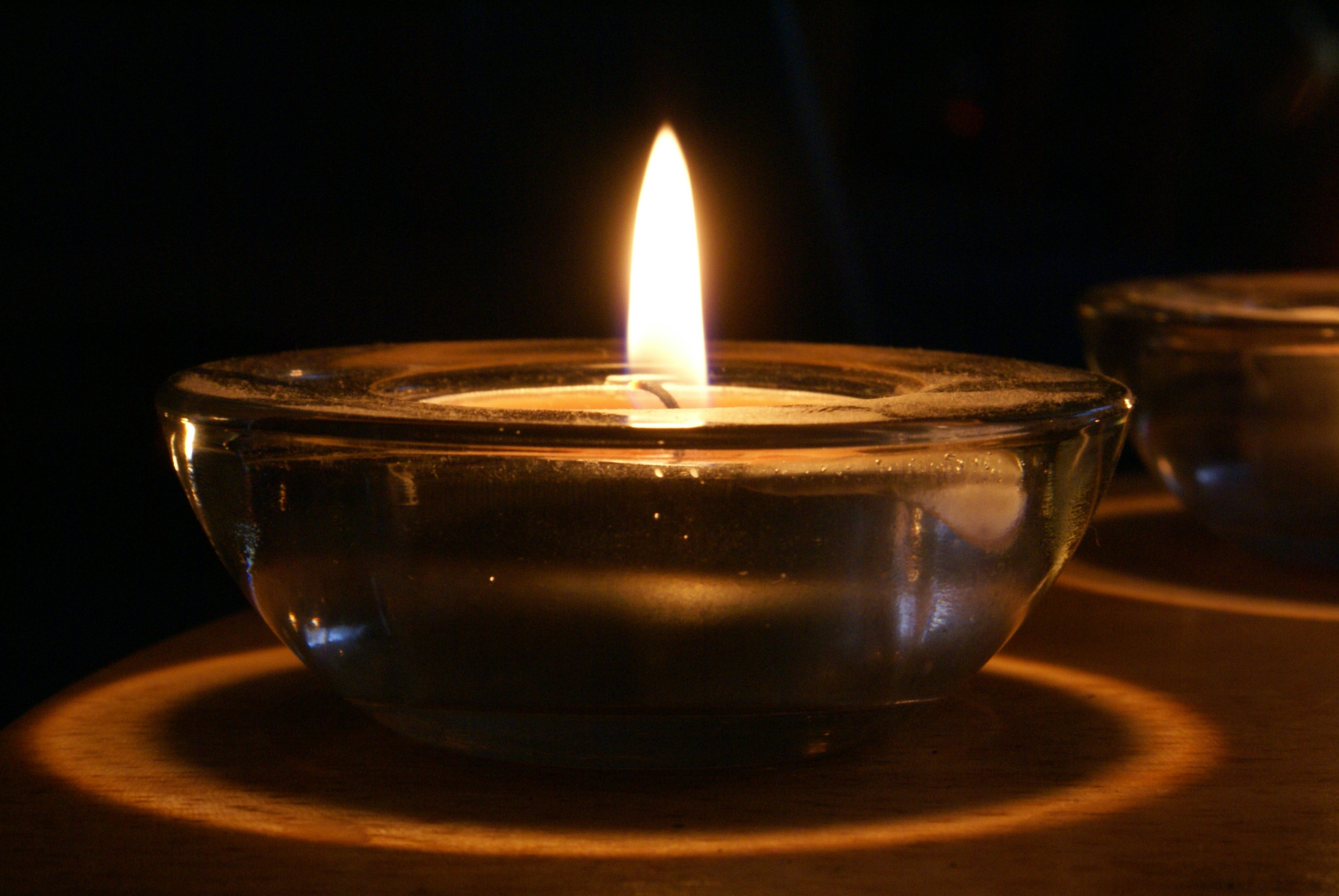
Photo Credit: David Flandre - Unsplash
Why Yin Matters Now
Yin restores. It integrates. It softens and stabilizes. It is sleep, nourishment, reflection, and the capacity to make sense of and integrate experiences rather than continually react to them.
Western culture, however, tends to prescribe more Yang as the solution to instability: more information, more productivity, more positioning, more power, more debate. Very little emphasis is placed on integration.
This is why The Yin Project feels less like a concept and more like infrastructure.
Engaging your Yin does not mean withdrawing from the world. It means cultivating the internal steadiness necessary to move through turbulence without internalizing it.
There is also something quietly symbolic about our current timing. We have just moved through a Yin Wood Snake year — an energy associated with discernment, shedding, and strategic recalibration. The Snake does not rush; it observes, refines, and sheds what no longer fits.
Now we are galloping into the year of the Fire Horse—an energy known for speed, visibility, intensity, and forward momentum.
Acceleration is coming.
Without Yin, fire consumes.
With Yin, fire illuminates.
If the last few years have been asking us to recalibrate; this new cycle is asking us to move. The question is whether we will move from a position of reactivity or from a position of rootedness.
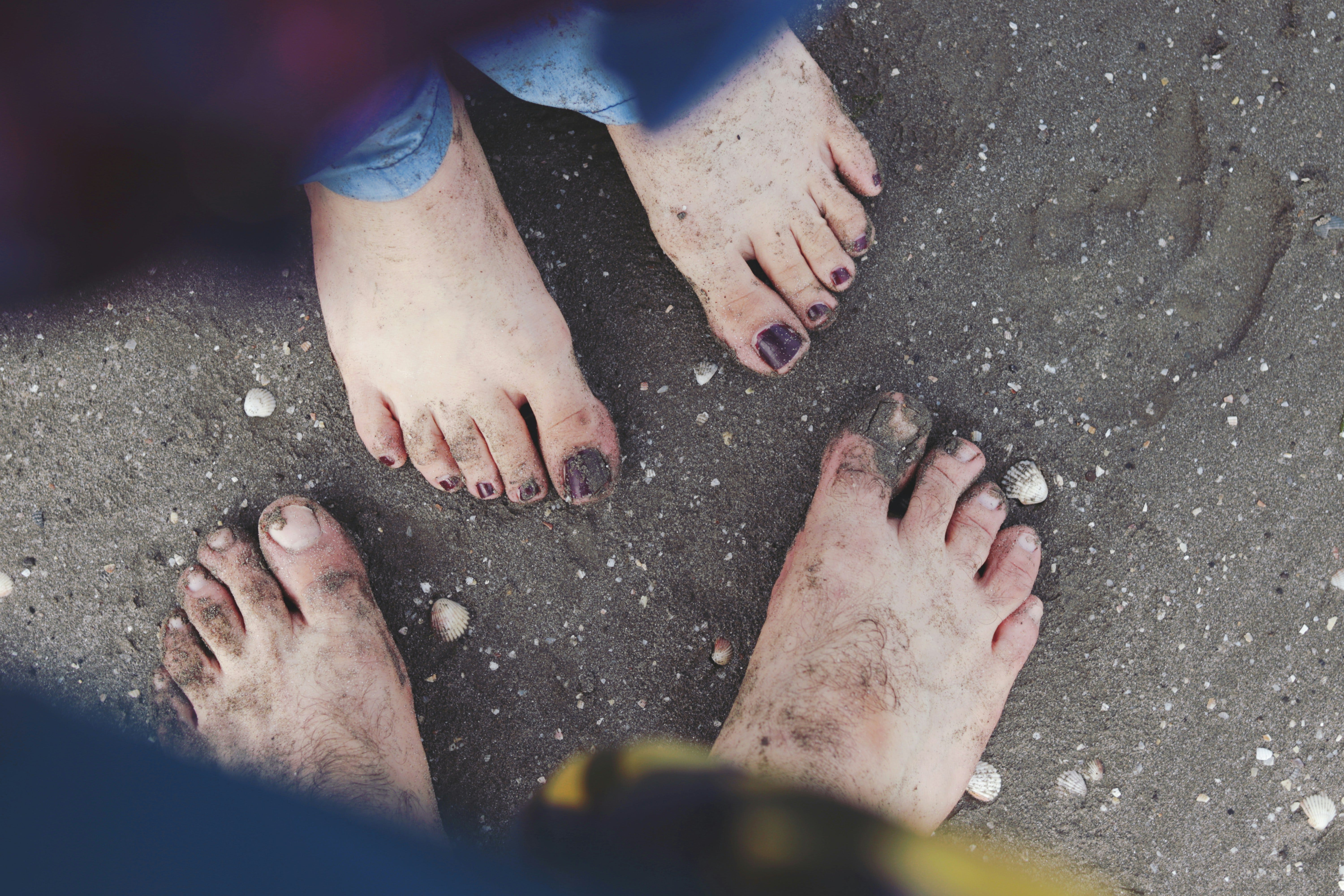
Photo Credit: Habib - Unsplash
Where To Begin
We begin simply.
Not with sweeping reform or ideological positioning, but with the basics.
My feng shui teacher often advises clients to return to the “ABC”s when life feels overwhelming; this means attending to the body first. Eat real food. Sleep adequately. Drink water. Step outside. These are not trivial suggestions; they are regulatory anchors. In fact, they are non-negotiable.
From there, build small pockets of silence. In a culture that monetizes attention, being intentionally quiet becomes restorative. Five minutes without input. A cleared surface. A room that feels deliberate rather than accidental.
Then clear and contain what you can. A drawer. A corner. Add in a daily ritual—displaying a crystal or lighting a candle—that will signal coherence and safety to your system. In feng shui, your home (outside) is a mirror of you (inside). Tending to your immediate environment will strengthen your ability to engage with the broader one.
Simply put: you cannot sustain meaningful change from a depleted body or an overburdened nervous system.
The Yin Project, revisited, is an invitation to cultivate enough internal steadiness that external volatility does not dictate your inner state.
We may not control Washington. We may not control the algorithm. But we can tend to the quality of our internal landscape. We can move from a season of shedding into one of acceleration—anchored, aware, and resilient.